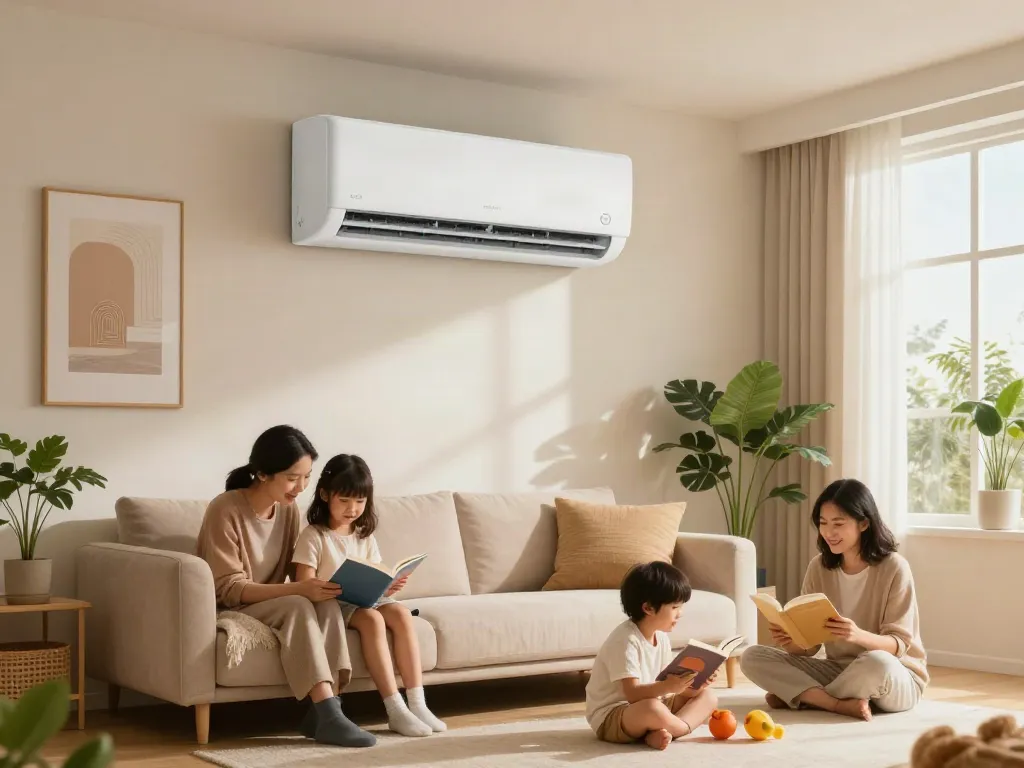
Understanding Ductless Air Conditioners: An Overview
Ductless air conditioners, commonly known as mini-splits, are an innovative solution for those seeking efficient cooling and heating without the need for traditional ductwork. The rising trend of minimalist living and energy efficiency has made these systems a preferred choice for homes and businesses alike. Their flexibility and efficiency cater to a wide range of applications, from single-room air conditioning to larger multi-zone setups. When exploring options, ductless air conditioner systems provide comprehensive insights into the benefits and features that make them stand out in today's HVAC landscape.
What is a Ductless Air Conditioner?
A ductless air conditioner is a compact, high-efficiency system that consists of two main components: an outdoor compressor unit and one or more indoor air-handling units. Unlike traditional air conditioning systems that rely on ductwork to distribute cool air, ductless systems deliver air directly into the living space. This unique setup allows for greater energy efficiency and flexibility in installation, making it an attractive option for various settings.
How Do Ductless Systems Work?
Ductless air conditioners operate on a simple principle: transferring heat from one place to another. The outdoor unit absorbs heat from the outside air and compresses it, which creates cool air. This cooled air is then sent through the indoor units that are strategically placed around the room. Each indoor unit can be controlled independently, allowing personalized comfort levels for different spaces. This "zoning" capability not only enhances comfort but also optimizes energy use by allowing you to cool only the rooms you occupy.
The Advantages of Ductless Cooling Solutions
Ductless air conditioners offer several advantages compared to traditional HVAC systems:
- Energy Efficiency: Ductless systems typically have higher SEER (Seasonal Energy Efficiency Ratio) ratings, translating into lower energy bills.
- Flexibility: They can be installed in various configurations, making them suitable for homes, offices, and even historical buildings where ductwork is impractical.
- Improved Air Quality: With no ducts to collect dust and allergens, the indoor air quality is often significantly better.
- Reduced Noise Levels: Most of the noise is generated outside the building, leading to a quieter indoor environment.
Cost Analysis: Investing in a Ductless Air Conditioner
Initial Costs vs. Long-Term Savings
While the initial investment for a ductless air conditioning system can be higher than that of conventional systems, homeowners often find that the long-term savings on energy bills can offset those costs. On average, homeowners can expect a return on investment within a few years, especially in areas with extreme temperatures where efficient cooling and heating are essential.
Factors Influencing Ductless Installation Costs
Several factors contribute to the overall cost of installing a ductless air conditioner:
- Size and Capacity: The larger the area to be cooled, the more powerful the unit required, impacting the overall price.
- Installation Complexity: If installation requires extensive modifications to walls or ceilings, costs may increase.
- Location: Labor costs vary by region and can significantly influence the installation price.
Energy Efficiency Ratings Explained
Understanding energy efficiency ratings is crucial for maximizing the benefits of a ductless air conditioner. Look for units with a high SEER rating, as this indicates greater efficiency. Additionally, the EER (Energy Efficiency Ratio) can help assess performance during peak heat, ensuring effective cooling when needed most.
Installation Process: What to Expect
Preparing Your Home for a Ductless AC Unit
Preparation is key to a successful installation of a ductless AC unit. Homeowners should assess the layout of their space to determine the optimal placement for indoor units. Additionally, ensuring adequate access for the installation team and discussing any specific preferences or concerns can streamline the process.
Step-by-Step Installation Guide
- Site Assessment: A professional evaluates your home to recommend the most suitable system size and placement.
- Indoor Unit Mounting: The indoor units are mounted on walls or ceilings, depending on your preference and space requirements.
- Outdoor Unit Placement: The outdoor unit is placed typically on the ground or on brackets secured to the wall, ensuring proper drainage and airflow.
- Refrigerant Lines Connection: Technicians run refrigerant lines and electrical wiring between the indoor and outdoor units, connecting them for optimal operation.
- Testing: Once everything is connected, the system is tested to ensure it operates efficiently before finalizing the installation.
Common Installation Challenges and Solutions
While ductless installations are generally straightforward, challenges may arise. For instance, if walls are insulated or there are accessibility issues, professional installers can suggest creative solutions, such as surface-mounted conduits or working around existing structures to ensure effective placement.
Performance and Maintenance of Ductless Systems
Maintaining Your Ductless Air Conditioner
Proper maintenance is crucial for the longevity and performance of your ductless air conditioning system. Regularly cleaning the filters, checking for refrigerant leaks, and ensuring that the outdoor unit remains free from debris can help maintain optimal performance.
Signs Your System Needs Professional Servicing
Homeowners should be aware of indicators that signal the need for professional servicing, such as:
- Unusual noises coming from the indoor or outdoor units.
- Inconsistent cooling or heating in different zones.
- Higher than expected energy bills.
Maximizing Efficiency with Regular Maintenance
To maximize efficiency and extend the lifespan of your ductless air conditioner, schedule regular professional maintenance at least once a year. This ensures all components are functioning optimally and that any potential issues are addressed before they escalate.
Future Trends in Ductless Air Conditioning Technology
Emerging Technologies for Enhanced Efficiency
The future of ductless air conditioning systems looks promising, with advancements such as variable-speed compressors and improved refrigerants that contribute to better energy efficiency and lower environmental impact. These innovations are likely to enhance overall system performance and reduce operational costs.
The Role of Smart Home Integration
Smart home technology continues to evolve, and ductless air conditioning units are increasingly compatible with smart thermostats and home automation systems. This integration allows for greater control over temperature settings and can lead to additional energy savings through tailored usage patterns.
Predictions for Ductless Systems in 2026 and Beyond
As we approach 2026, the trend of adopting ductless air conditioning systems is expected to grow. With rising energy costs and increasing awareness of environmental sustainability, consumers will likely turn to these systems for their efficiency and flexibility.
Are ductless air conditioners any good?
Yes, ductless air conditioners are not only good; they are an excellent choice for many homeowners. Their energy efficiency, flexibility in temperature control, and improved air quality make them a worthy investment.
How much does it cost to install a ductless AC unit?
Installation costs for ductless AC units typically vary based on factors such as the size of the unit, the complexity of the installation, and regional labor costs. Generally, homeowners can expect to spend anywhere from $3,000 to $7,000 for a complete system.
What are the downsides of a mini split AC system?
While ductless systems have many advantages, there are a few potential downsides. These include higher initial costs, the need for professional installation, and aesthetic considerations, as indoor units may not match all interior designs.
Is it cheaper to run a mini split or central AC?
In most cases, running a mini-split system can be cheaper than a traditional central AC system, especially when it comes to energy efficiency. They allow for zoning, which means you only cool the areas that are in use, potentially leading to significant savings on energy bills.
Best practices for ductless air conditioner maintenance?
Maintaining your ductless air conditioner involves regular filter cleaning, annual professional maintenance checks, and ensuring that outdoor units are free of debris.